
If you have tried to buy train tickets in Korea, you may have noticed that there are several types of trains. You may have only heard of KTX, and are confused if you should select the other types.
In a nutshell, these train types are all operated by Korail. Each offers different levels of speed, comfort, and service.
As someone who has been just as confused by the train types, I thought it would be useful to compile a guide! This guide compiles and explains the main differences between the key train types in Korea.
KTX (Korea Train Express)
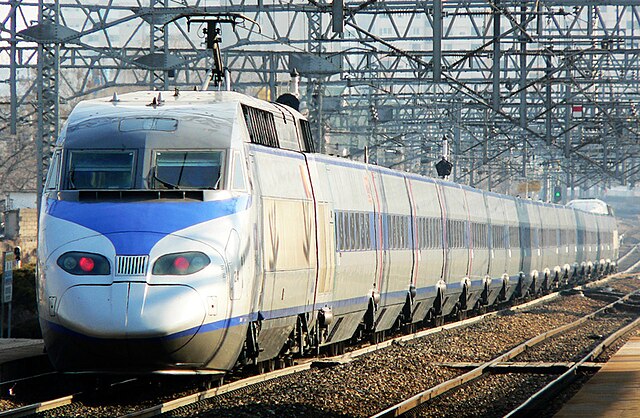
You may be most familiar with KTX. It is South Korea’s high-speed rail system that is well-known for speed, convenience, and comfort.
It is the fastest train service in Korea, connecting major cities in the shortest possible time. Many people would opt to take the KTX if they’re looking to reach their destination city as far as possible.
However, do note that the convenience equates to higher fares as well!
- Speed: KTX trains can reach speeds of up to 300 km/h (186 mph), making them the fastest train service in South Korea.
- Routes: KTX operates on several main routes, including:
- Features:
- Comfortable seats, with first-class and economy-class options.
- Large luggage storage areas and onboard restrooms.
- Free Wi-Fi in certain cars.
- Quick and direct travel between major cities like Seoul, Busan, Daegu, Daejeon, and Gwangju.
- Best For: Those who want to minimise travel time and enjoy a fast, modern train experience. I highly recommend KTX for tourists who have a tight travel itinerary.
ITX-Chuncheon
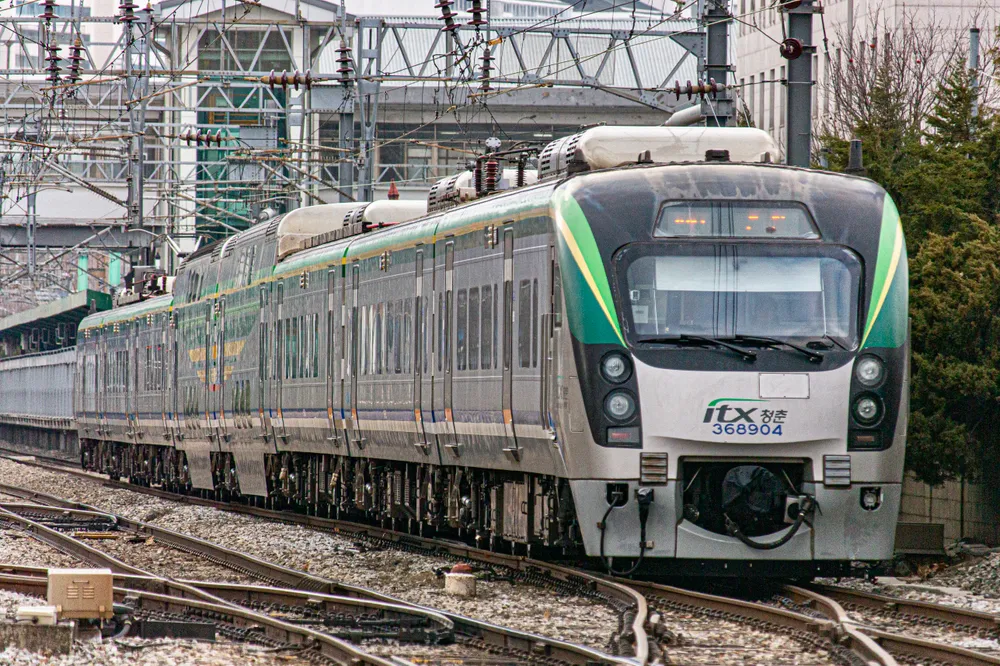
The ITX-Chuncheon (Intercity Train Express) is a regional train service designed primarily for travelers heading to Chuncheon, a popular tourist destination.
- Speed: The ITX-Chuncheon travels at medium-high speeds, with a maximum of about 180 km/h (112 mph). It’s faster than regular trains like the Mugunghwa but slower than the KTX.
- Routes: The main route is between Seoul (Yongsan Station) and Chuncheon, passing through popular stops like Cheongnyangni.
- Features:
- Two-level (double-decker) cars with ample seating.
- Comfortable seats with reclining options.
- Onboard services include Wi-Fi and vending machines.
- Ideal for tourists heading to destinations like Nami Island, Gapyeong, and Chuncheon.
- Best For: Tourists visiting Chuncheon & surrounding areas and are looking for a comfortable and affordable ride.
ITX-Saemaeul
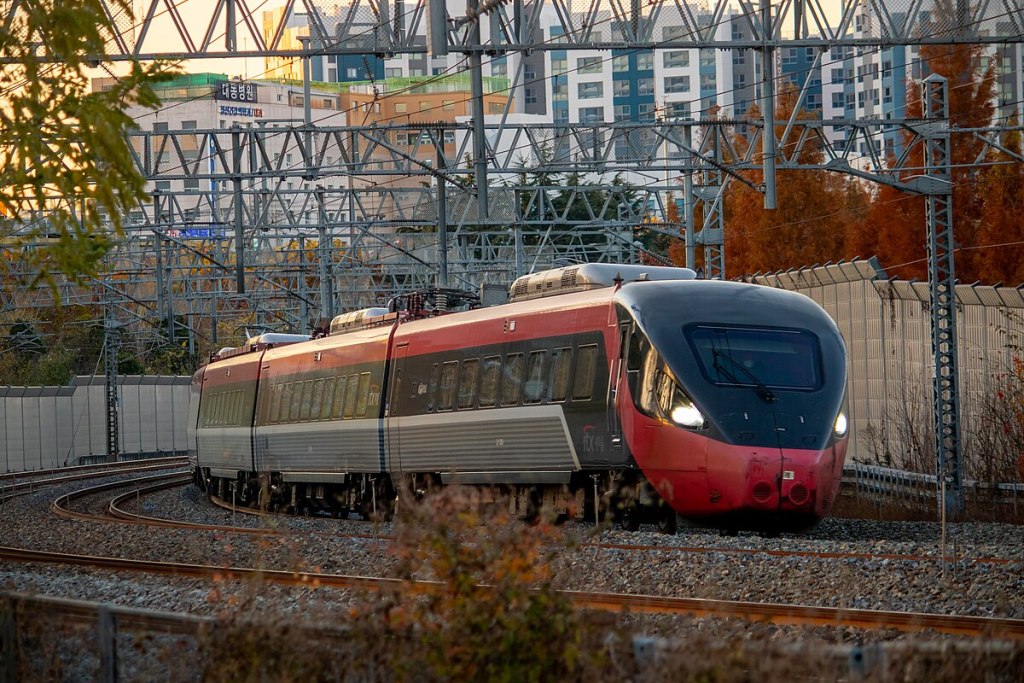
The ITX-Saemaeul is a faster and more modern replacement for the older Saemaeul-ho train. The latter was touted the fastest class of trains that could take commuters from Seoul to Busan in less than 5 hours!
- Speed: ITX-Saemaeul trains travel at speeds of up to 165 km/h (103 mph), making them faster than Mugunghwa and Nuriro trains but slower than the KTX.
- Routes: It operates on routes like:
- Seoul to Busan (via the Gyeongbu Line)
- Seoul to Mokpo or Yeosu (via the Honam Line)
- Other regional routes connecting major cities.
- Features:
- Comfortable seating with more legroom compared to Mugunghwa.
- Slightly faster travel times than older trains like Mugunghwa.
- Offers modern amenities, including Wi-Fi, power outlets, and clean restrooms.
- Best For: Those looking for a balance between speed and cost, with more comfort than Mugunghwa but less expensive than KTX.
Nuriro
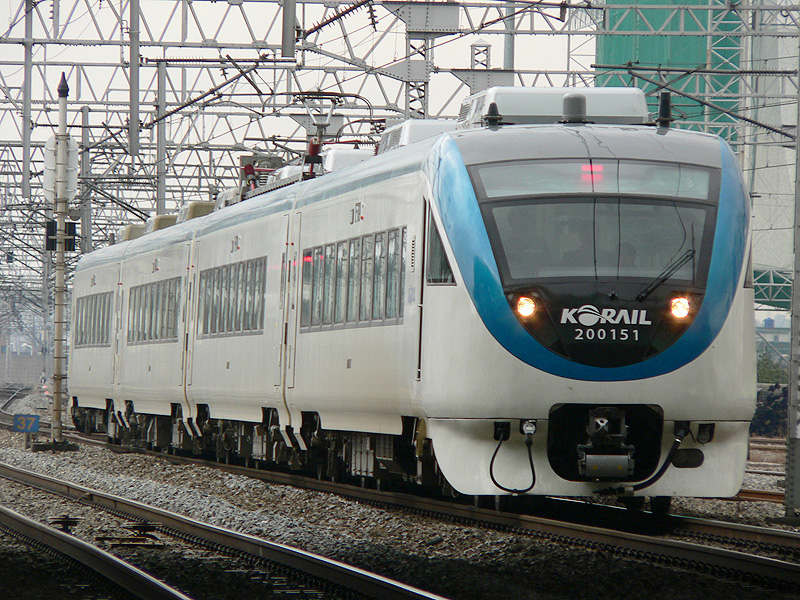
Nuriro trains are considered local express trains and relatively new compared to other Korail services.
They are designed for short-distance travel within metropolitan regions and operate more frequently than long-distance rail services.
- Speed: Nuriro trains travel at speeds similar to the Mugunghwa, around 150 km/h (93 mph), making them slower than ITX or KTX but still faster than local commuter trains.
- Routes: These trains are primarily used for short-distance routes. A common route is Seoul to Sinchang (via the Janghang Line).
- Features:
- Standard seats, typically in a 2-2 layout.
- More frequent stops than KTX or ITX trains, serving smaller cities and towns.
- Basic amenities like air conditioning and restrooms, but no advanced services like Wi-Fi or power outlets.
- Best For: Short-distance or regional travelers who want a quick ride with more comfort than a subway or local train, but would prefer not to pay the hefty price for a KTX.
Mugunghwa
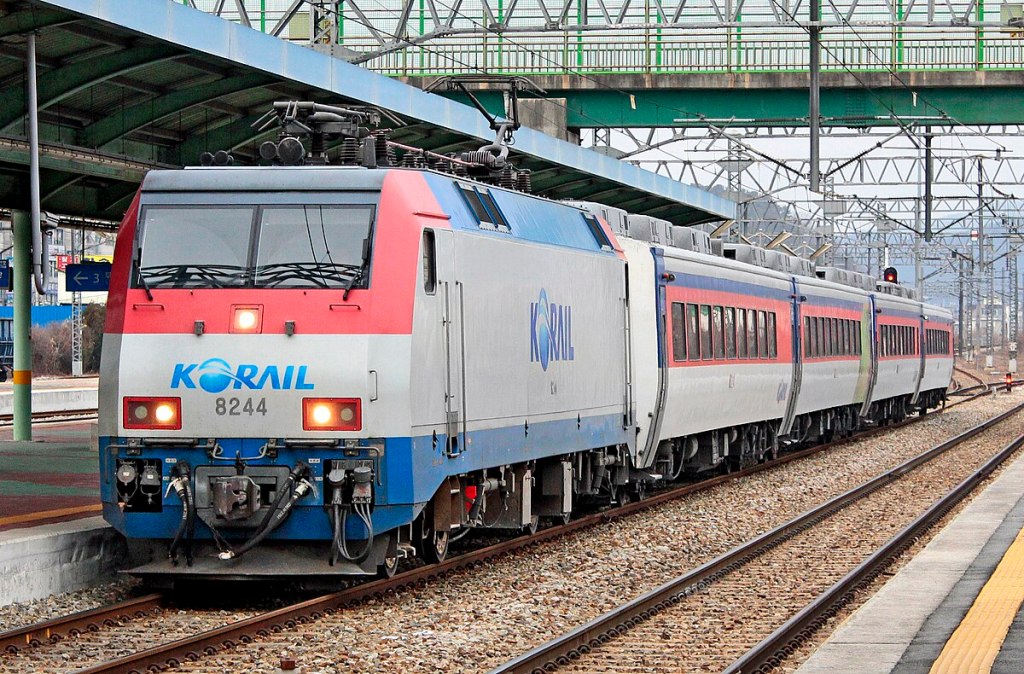
Mugunghwa trains are the most common and affordable long-distance trains in South Korea. While they are slower than other trains, they are known for their affordability and extensive network, serving many smaller towns and rural areas.
- Speed: Mugunghwa trains travel at speeds of about 100-150 km/h (62-93 mph), making them the slowest of the major intercity trains.
- Routes: Mugunghwa trains operate on many routes, covering both major cities and rural areas, including:
- Seoul to Busan (via the Gyeongbu Line)
- Seoul to Mokpo or Yeosu (via the Honam Line)
- Various regional routes connecting smaller towns and cities.
- Features:
- Affordable ticket prices.
- More frequent stops, including smaller towns not served by faster trains like the KTX or ITX.
- Basic amenities, such as air-conditioned cars, restrooms, and snack bars, but generally older and less modern than KTX or ITX trains.
- Best For: Budget-conscious travelers, or those heading to smaller towns and cities not served by faster trains.
Comparison Table
| Train | Speed | Routes | Features | Best For |
|---|---|---|---|---|
| KTX | Up to 300 km/h | Major cities like Seoul, Busan, Daegu | High speed, first-class, Wi-Fi, and direct routes | Long-distance travelers, time-sensitive travelers |
| ITX-Chuncheon | Up to 180 km/h | Seoul to Chuncheon | Double-decker, comfortable seating, Wi-Fi | Tourists heading to Chuncheon and surrounding areas |
| ITX-Saemaeul | Up to 165 km/h | Seoul to Busan, Mokpo, Yeosu | Modern trains, comfortable seats, fewer stops than Mugunghwa | Travelers seeking a balance of speed and affordability |
| Nuriro | Up to 150 km/h | Short-distance regional routes | Standard seating, basic amenities, frequent stops | Short-distance travelers in regional areas |
| Mugunghwa | Up to 100-150 km/h | Nationwide, rural and small towns | Affordable, more frequent stops, basic amenities | Budget-conscious travelers and those visiting smaller towns |
Conclusion
If you’re confused by all the information above, fret not! Here’s a quick look at the key train types that fit your needs and budgets:
- KTX is the fastest and most convenient for long-distance, high-speed travel between major cities.
- ITX-Chuncheon is a great option for tourists visiting destinations near Seoul, like Chuncheon.
- ITX-Saemaeul provides a mid-level service, combining speed with comfort for intercity travel.
- Nuriro serves short regional routes and provides a comfortable, affordable option for shorter distances.
- Mugunghwa is slower but widely accessible, offering a cost-effective way to reach smaller towns and rural areas.
Related Posts:
- How To: buy KTX train tickets in Korea (complete guide!)
- Driving in Jeju: A complete guide, review & tips!
- How To: Get to Nami Island via Shuttle Bus
PIN THIS!


Leave a Reply