
Editorial note: This is a guest post contribution.
South Korea has become one of the most popular destinations for American travelers, attracting visitors with its unique mix of old and new. From its futuristic high-speed trains to bustling street food markets, the country blends modern convenience with deep-rooted tradition.
You can explore ancient royal palaces in the morning and dine in a cutting-edge, high-tech restaurant in the evening. For first-time visitors, understanding this unique dynamic and preparing for your trip can make the journey significantly more rewarding.
A trip here isn’t just about sightseeing; it’s about learning unique cultural norms and making the most of your time. Making preparations in advance helps reduce the strain and makes the journey more pleasant. By knowing what to expect before you arrive, you can focus more on enjoying the journey and less on figuring out logistics on the spot.
Pre-Trip Essentials for a Smooth Entry
Before you book your flight, check the latest entry requirements. National Geographic notes that travelers from the U.S., the UK, Australia, and much of the EU can enter South Korea without a visa. Most visitors receive a 90-day stay, although some nationalities qualify for longer.
Depending on your passport, you may still need a Korea Electronic Travel Authorization (K-ETA) before boarding your flight. Applications are made online, cost less than $10, and usually process quickly, though approval can sometimes take up to three days.
Additionally, since January 2025, all visitors must complete either a Q-Code or a health declaration form before arriving in South Korea. You can fill out the digital forms before departure. Upon submission, you’ll receive a QR code that you have to scan at immigration.
The U.S. Embassy notes that the Q-Code is now mandatory for every traveler, regardless of vaccination status. It requires you to enter health and travel details online before boarding. Once completed, the system issues a QR code that must be presented on arrival.
Immigration officers scan the code electronically, which speeds up the entry process and cuts down on paperwork. Without it, you may face delays, long lines, or even risk being turned away at the counter. Many travelers print a backup copy of the confirmation in case their phone battery runs low.
Preparing this form ahead of time ensures your first moments in South Korea go smoothly. Once entry requirements are out of the way, it helps to understand the cultural expectations that shape daily life in Korea.
Culture and Etiquette Insights
South Korean culture is rich in history and customs. Knowing some common rules can make your trip better. Many young people speak some English, but learning a few Korean words is always appreciated. Try “Annyeonghaseyo” for “Hello” and “Gamsahamnida” for “Thank you.”
When you are with elders, use both hands when giving or receiving something. This small gesture shows respect and can make a major impression during your interactions. First-time visitors often focus on famous landmarks, but daily cultural practices are just as important. For example, tipping isn’t the norm in South Korea.
In fact, some places may find it uncomfortable if you leave extra money on the table. Instead, a polite “thank you” in Korean goes a long way. Public etiquette is another detail to learn before arriving. On buses and trains, keep your voice low or avoid answering phone calls.
Returning trays at food courts and wiping your table in cafés is standard practice. These small habits may seem minor, but they shape the overall travel experience. Respecting them helps you blend in, especially since Americans are used to a louder or more casual style of interaction. Adjusting to local customs makes your trip smoother and shows respect to your hosts.
Traveling Like a Local
The best way to travel across South Korea is by train. The Korea Train Express (KTX) is the country’s high-speed rail service. Launched in 2004, it connects major cities across the nation. Trip.com notes that KTX trains currently run at up to 305 km/h. A trip from Seoul to Busan, which is at least 200 miles, takes just over two hours.
The service includes both KTX-I and KTX-Sancheon models, carrying between 363 and 935 passengers depending on the train. However, in 2024, KTX unveiled a new high-speed train named ‘KTX-Cheongryong’ capable of reaching top speeds of 320 km/h.
According to The Chosun Daily, the new model features entirely domestic tech and has improved acceleration and deceleration capabilities. Moreover, the Cheongryong also has more seating space than the Sancheon, as the ministry plans to add over 30 units by 2028.
Travelers can enjoy countryside views, from rice paddies to mountains, and seasonal cherry blossom blooms that make Jinhae or Gyeonghwa stations especially popular. These scenes paint a very different picture compared to what is unfolding in the United States, according to the railroad lawsuit for lung cancer updates.
Workers claim that long-term exposure to diesel exhaust, asbestos, and benzene in rail yards caused lung cancer and other serious illnesses. According to Gianaris Trial Lawyers, families have filed lawsuits to hold rail companies accountable for unsafe conditions that persisted for decades.
While these legal battles continue in the U.S., travelers in South Korea can enjoy modern rail travel before exploring hidden cultural gems.
Discovering Korea’s Offbeat Adventures
Many travelers head straight to Seoul’s palaces or Busan’s beaches. While these are worth visiting, you will miss unique experiences if you only follow popular routes. BuzzFeed highlights several memorable stops on Intrepid’s “Essential South Korea” trip.
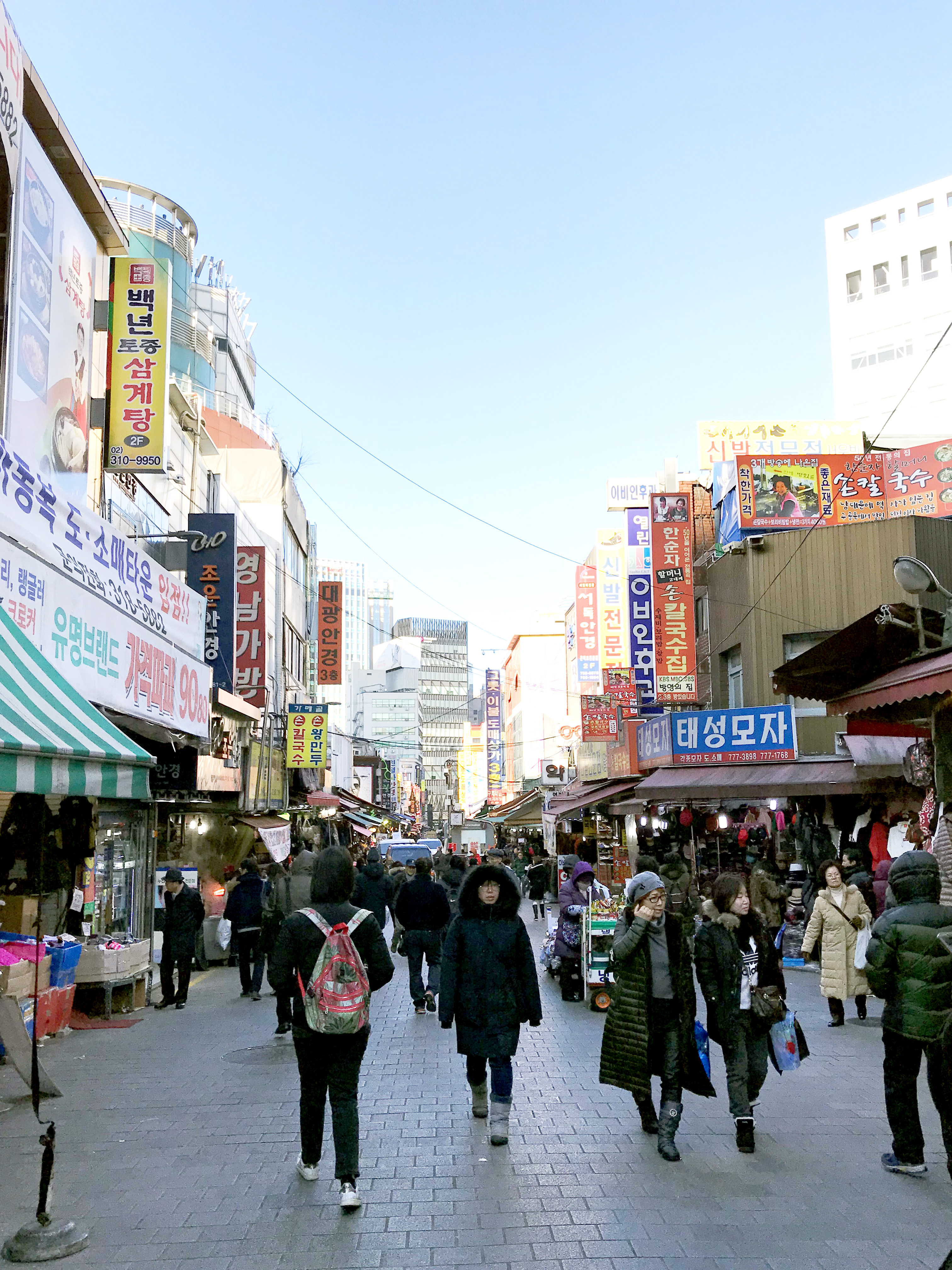
In Seoul, Gyeongbokgung Palace is a standout. Built in 1395, it is renowned for its ornate designs and the guard-changing ceremony at 11 a.m. Gwangjang Market is another highlight. You’ll find food stalls selling everything from fried chicken to soft-shell crab, as well as fabrics and souvenirs.
In Jeonju, stay overnight in the Hanok Village. It offers a glimpse of life in traditional wooden homes with heated floors and quiet courtyards. Busan adds more color with Gamcheon Culture Village, a hillside neighborhood painted in bright hues and packed with artisan shops and murals.
Haedong Yonggungsa Temple rounds out the list, a seaside Buddhist temple dating back to 1376 with sweeping ocean views. Venturing beyond the common attractions does not require a complicated plan. Many of these unique spots are located near major cities, making them easy to fit into a first-time itinerary.
Commonly Asked Questions
1. When is the best time to visit South Korea?
Spring (April to May) and fall (September to November) are the busiest seasons. The weather is pleasing, making it ideal for exploration. Spring brings captivating cherry blossoms, while fall provides stunning fall foliage. Summer is very hot and humid, with monsoon rains.
2. What apps should I download to make travel smoother in South Korea?
It helps to install Naver Map for accurate walking or transit directions, especially since many subway stations have multiple exits. Translation apps like Papago also work well. They provide voice input and photo text translation, which are handy for understanding street signs, menus, and transit info.
3. What’s the best way to pay for public transit in Seoul and other South Korean cities?
Use a T-Money card. You can buy one at convenience stores or at the airport for around ₩3,000 (about $2-3). It works on subways, buses, and some taxis. Just top it up at stations or shops as needed.
Try the Korea T-Money Card Budget Estimator!
Visiting South Korea for the first time can feel overwhelming, but with preparation, it becomes manageable and enjoyable. Completing your entry forms, using the rail network, learning local etiquette, and exploring beyond the common stops will make your trip more memorable.
For American travelers, the key is balancing convenience and curiosity. By doing so, you’ll experience South Korea as more than just a destination; it becomes a place to connect with culture, history, and everyday life.
If you’d like to contribute articles to Tofu V Travels, kindly reach out at tofuvtravels@gmail.com 🙂
Related Posts:
- The Best Translated Korean Literature Books to Check Out
- Best Korean Healing Fiction: Heartwarming Reads to Soothe the Soul
- From Fruity to Nutty: Flavour Trends in Korean Cafés


Leave a Reply