
Jeju Folk Village was one of the first few attractions that I visited on my first trip to Korea. It was also my first look into traditional Korea!
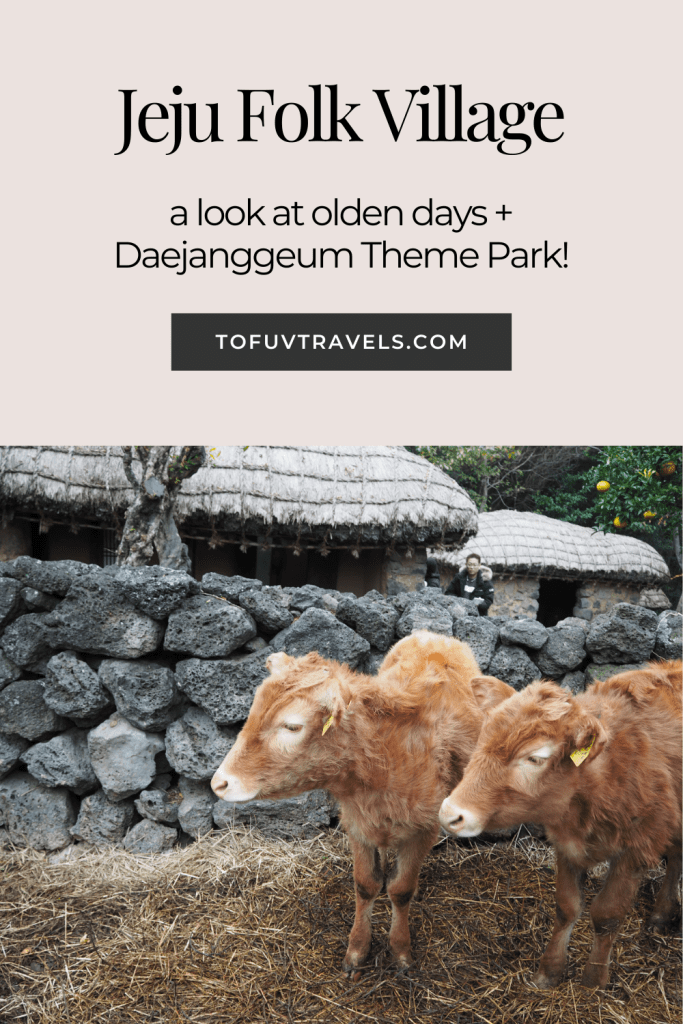
This folk village is essentially a reproduction of life in Jeju back in the 19th century, through accurate recreations of traditional houses and exhibits.
Plus point: This was the filming location for ‘Daejanggeum’!
What to see at Jeju Folk Village
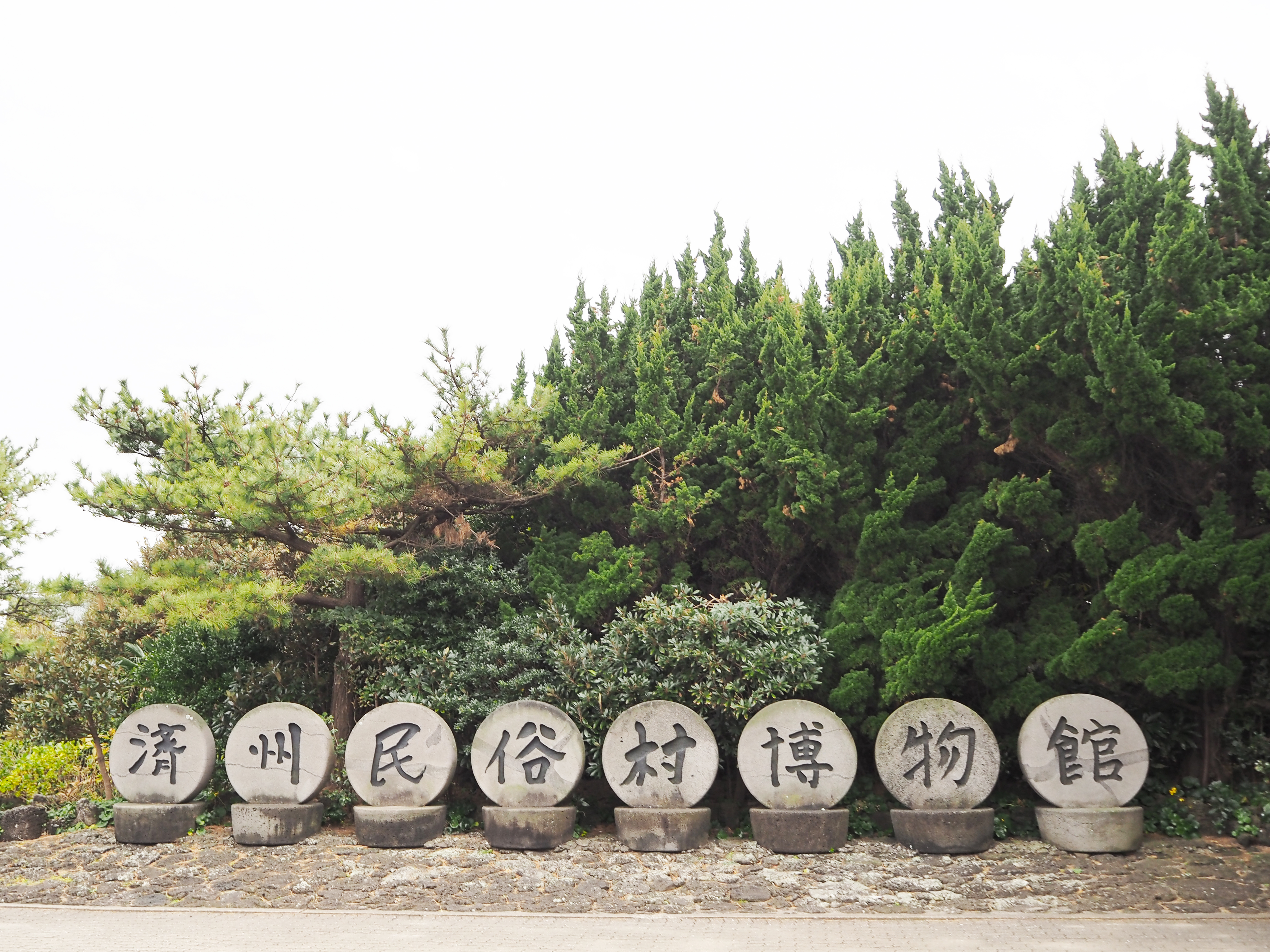
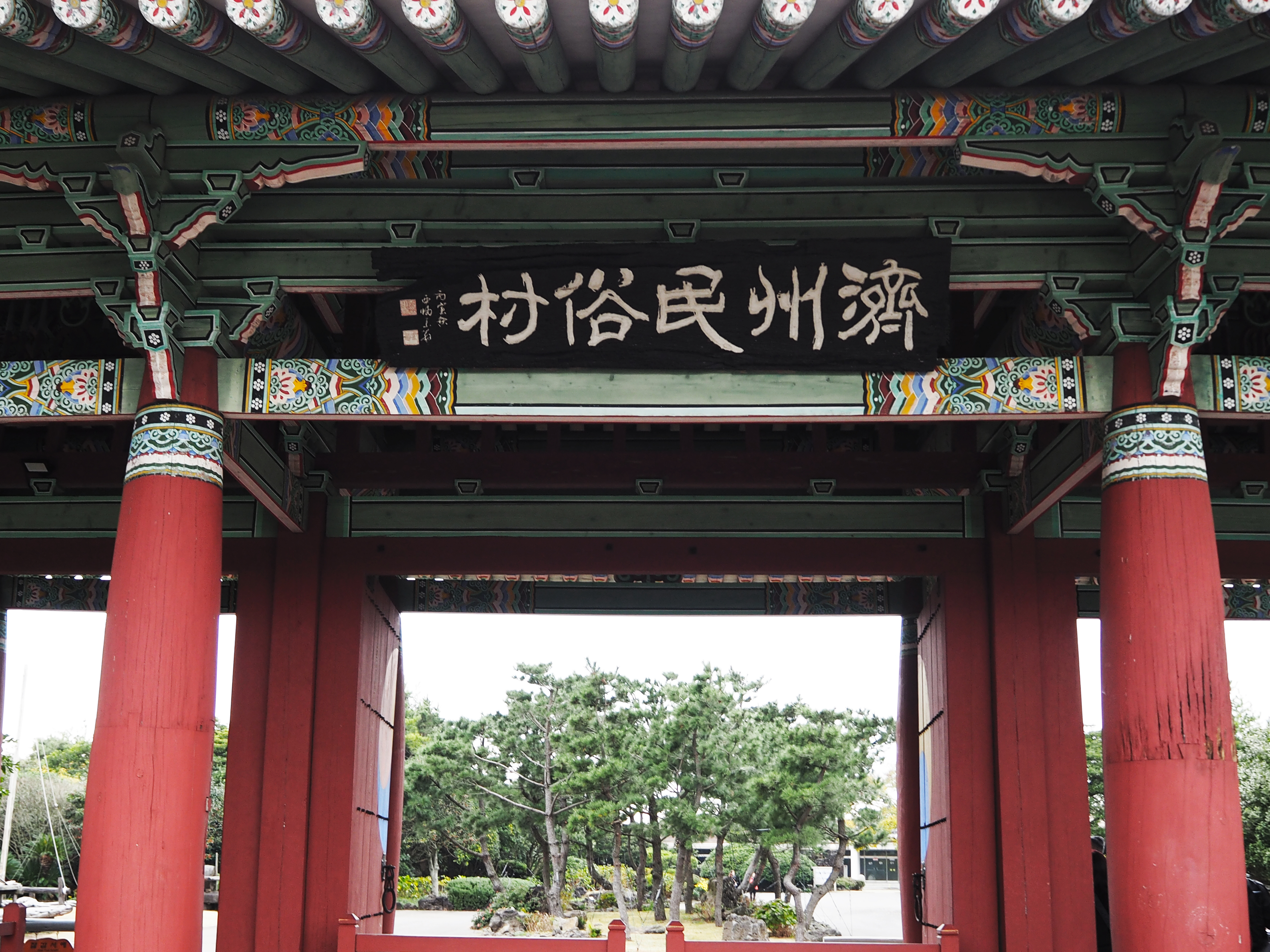
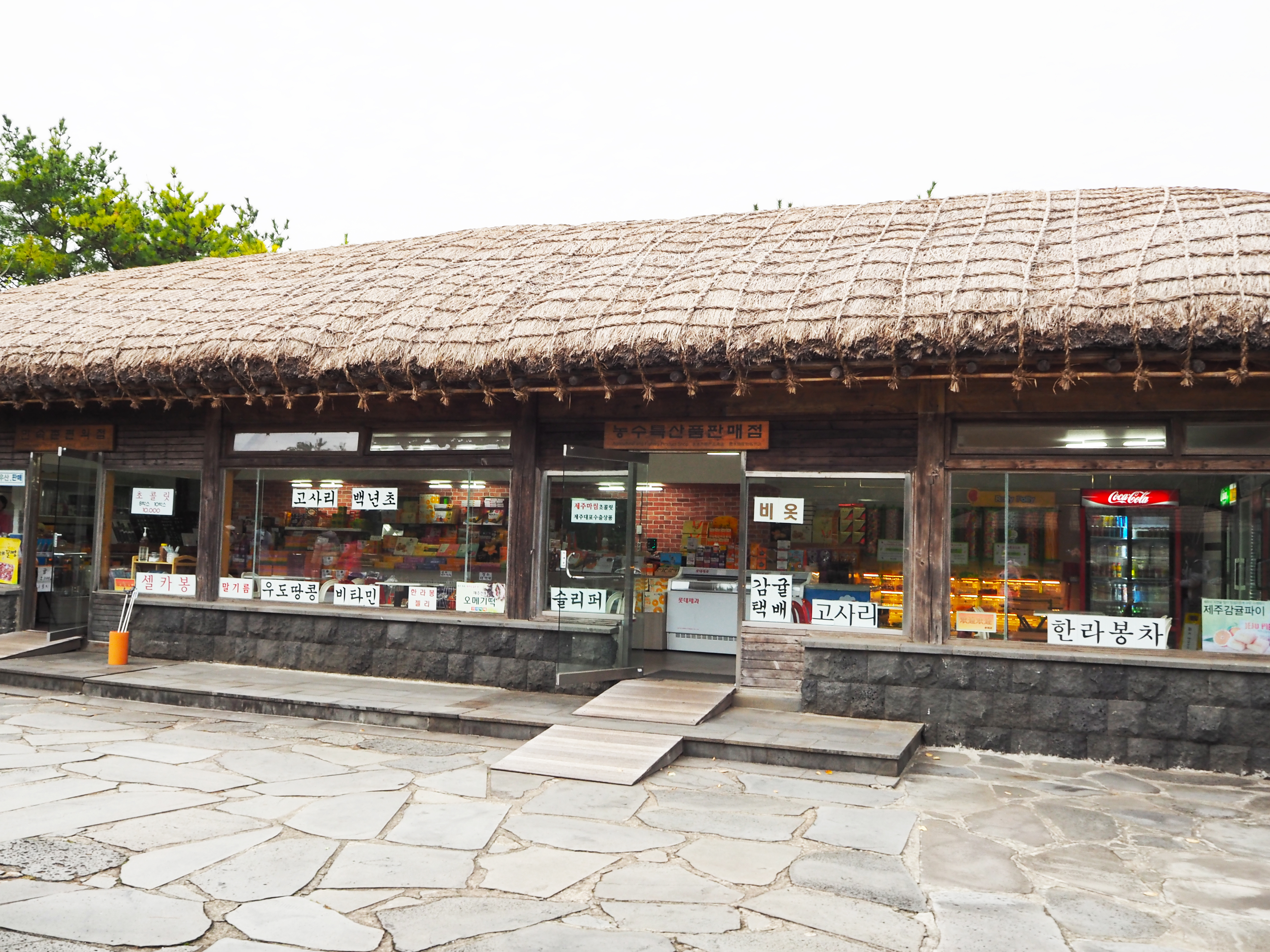

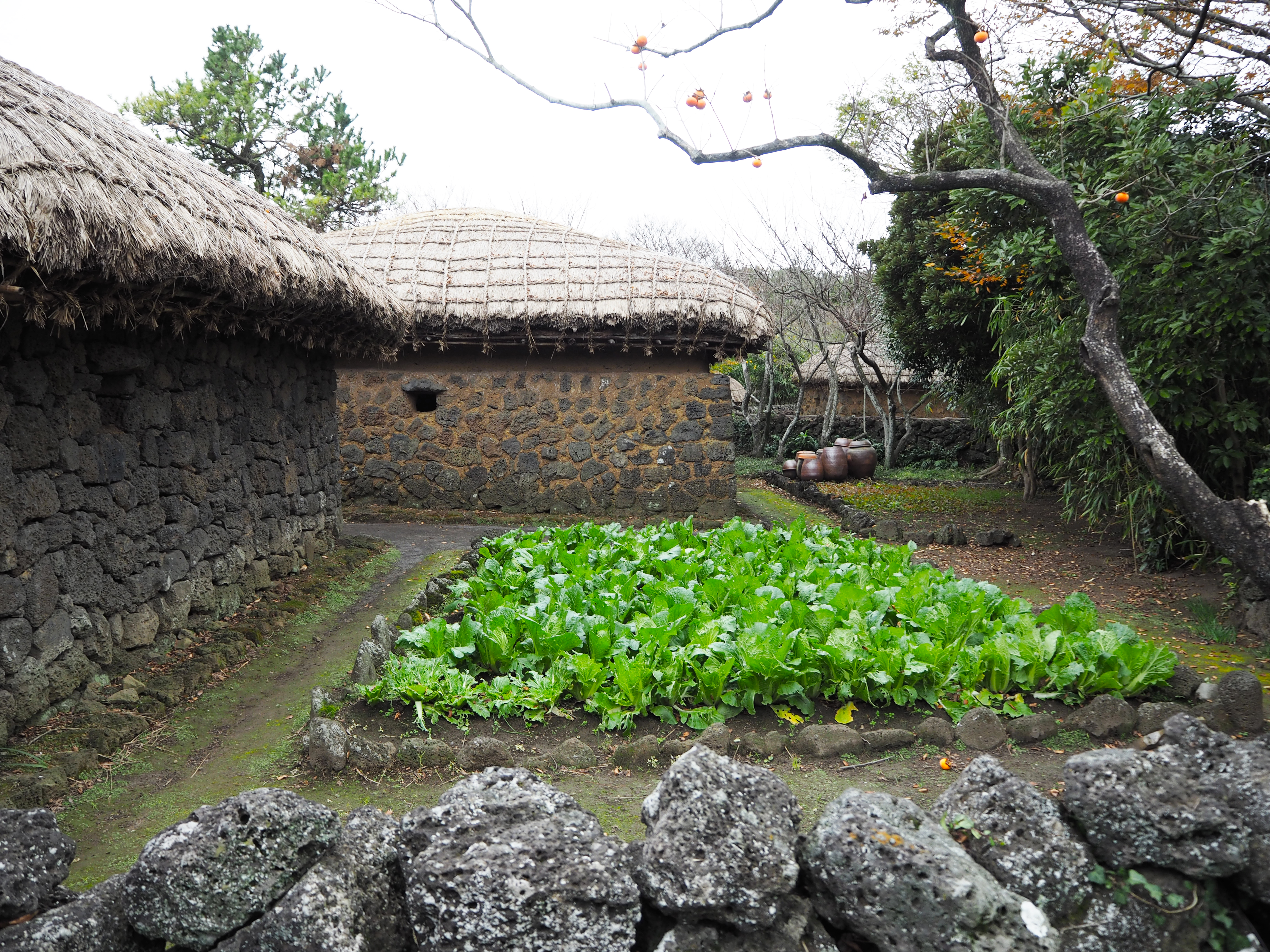
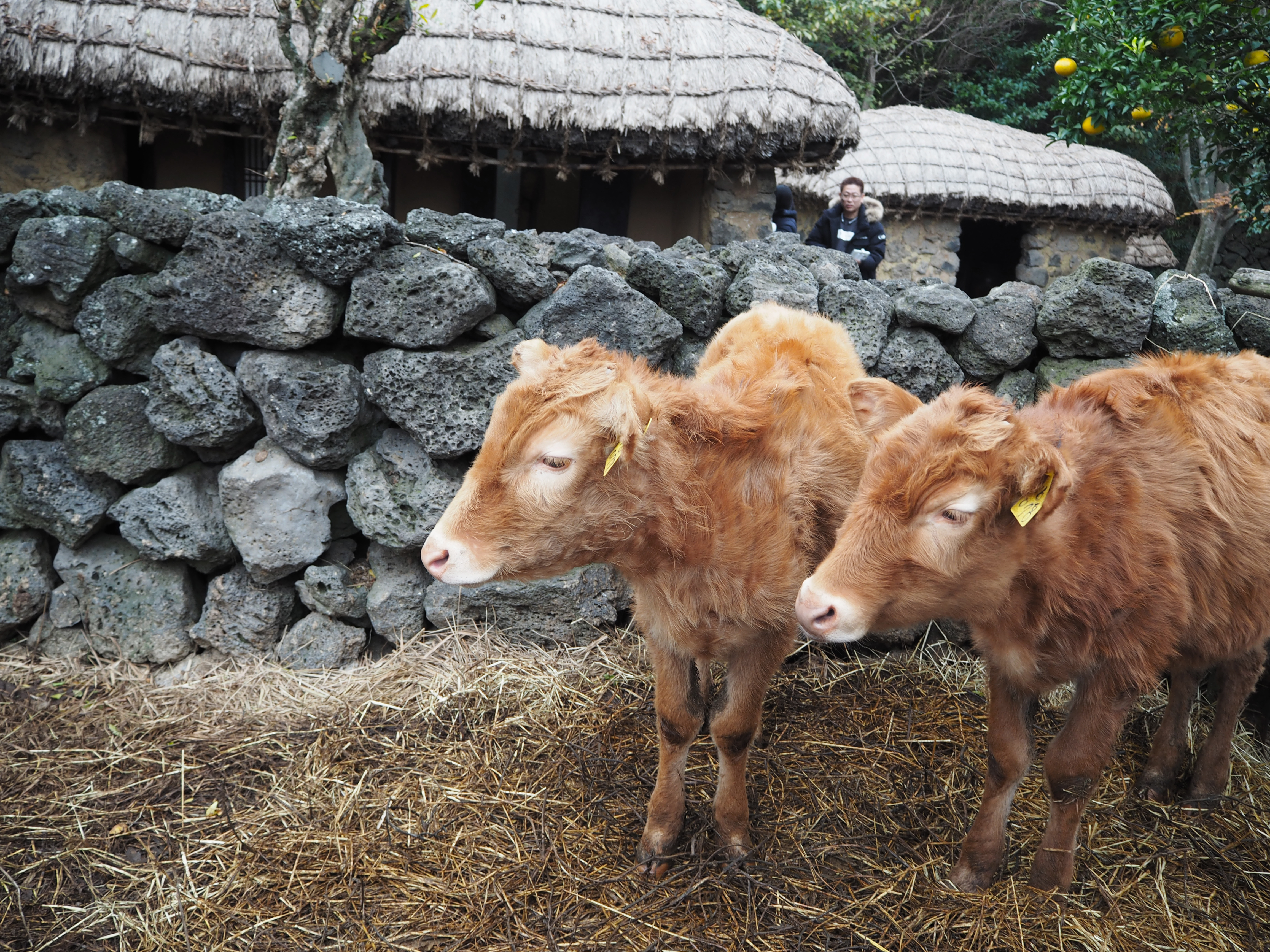
Do you see the huge pieces of rock that are used to build the walls and ‘fences’? If I recall correctly, these are volcanic rocks that are specifically found on Jeju Island.
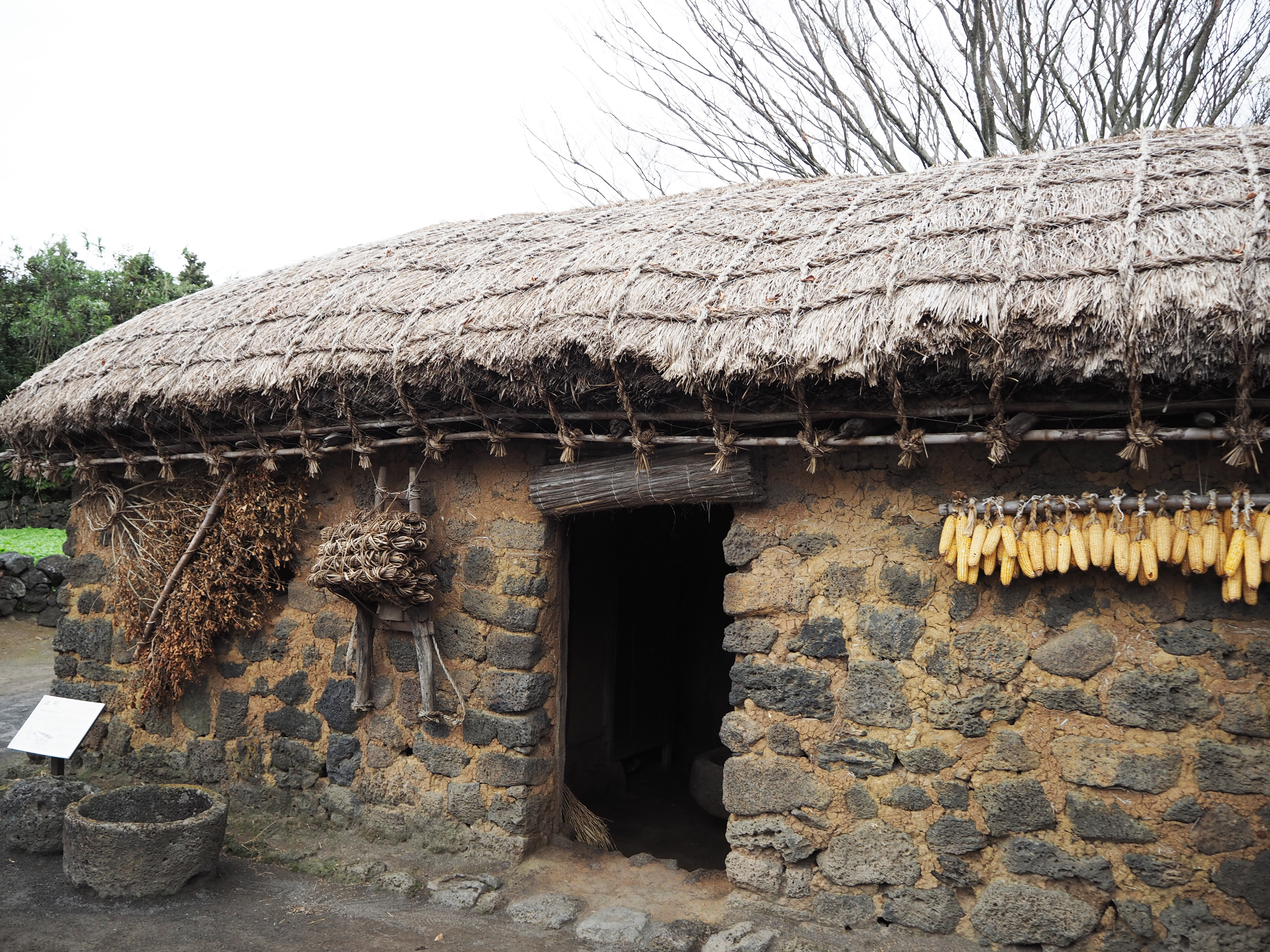
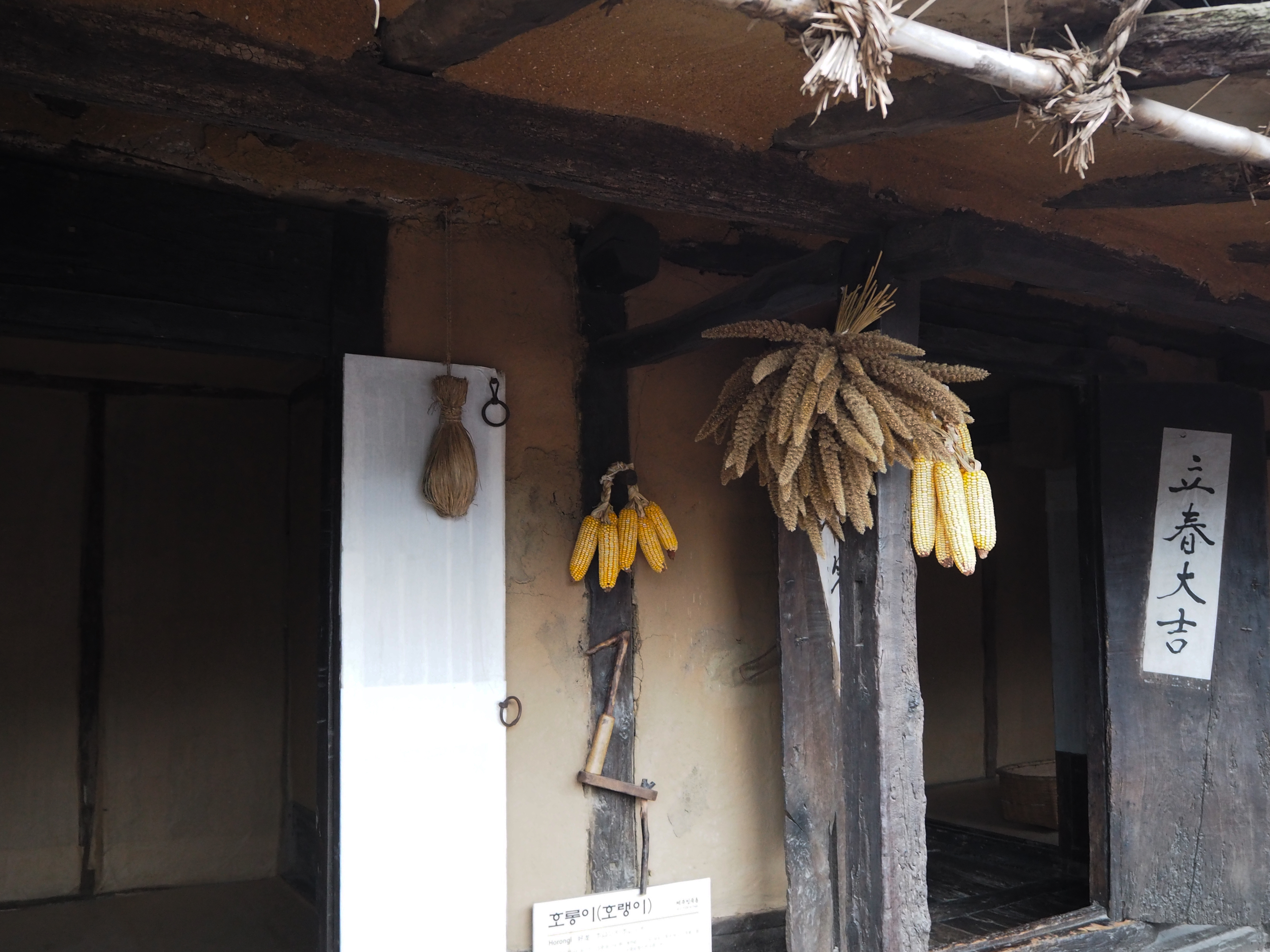
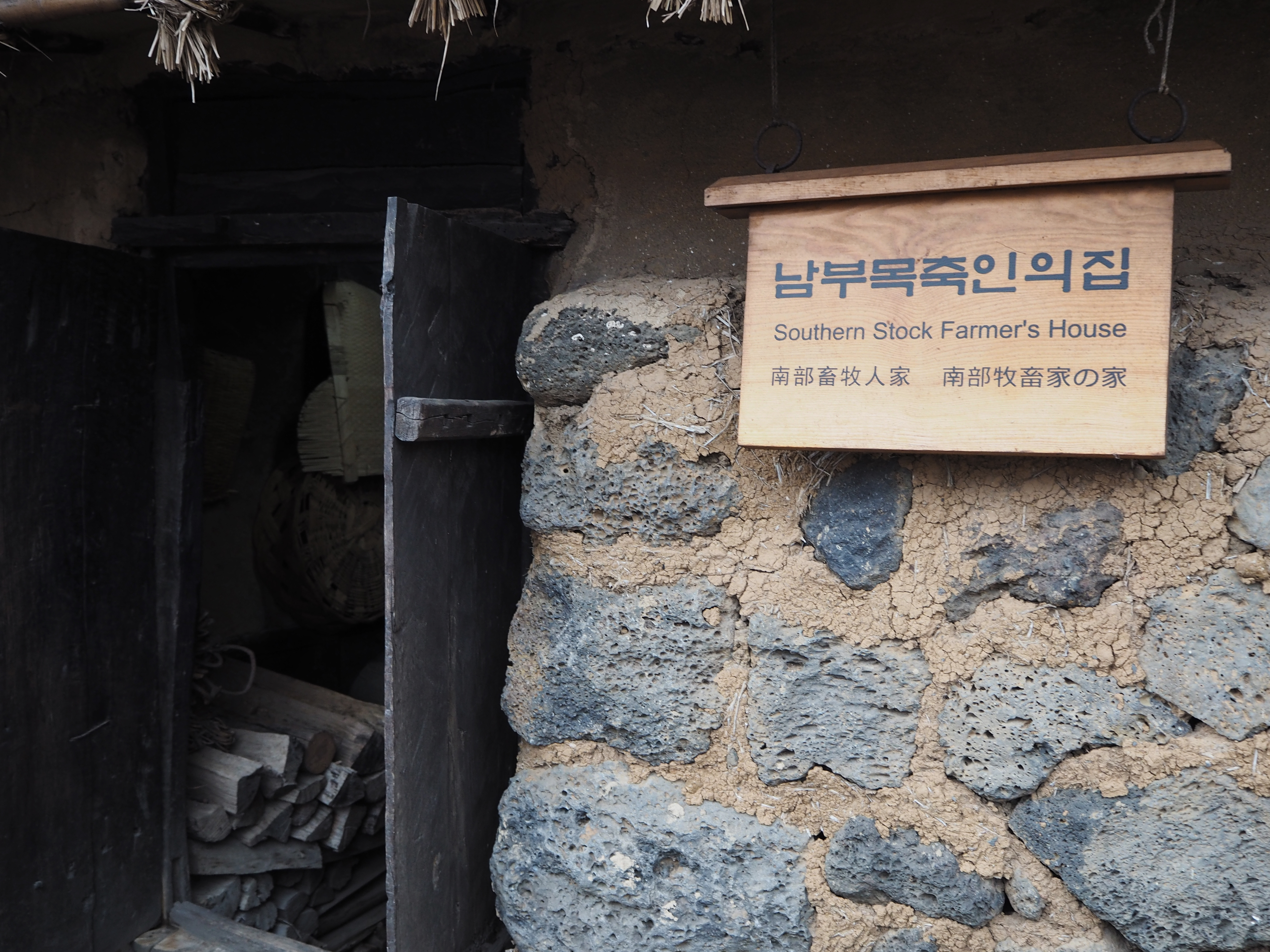
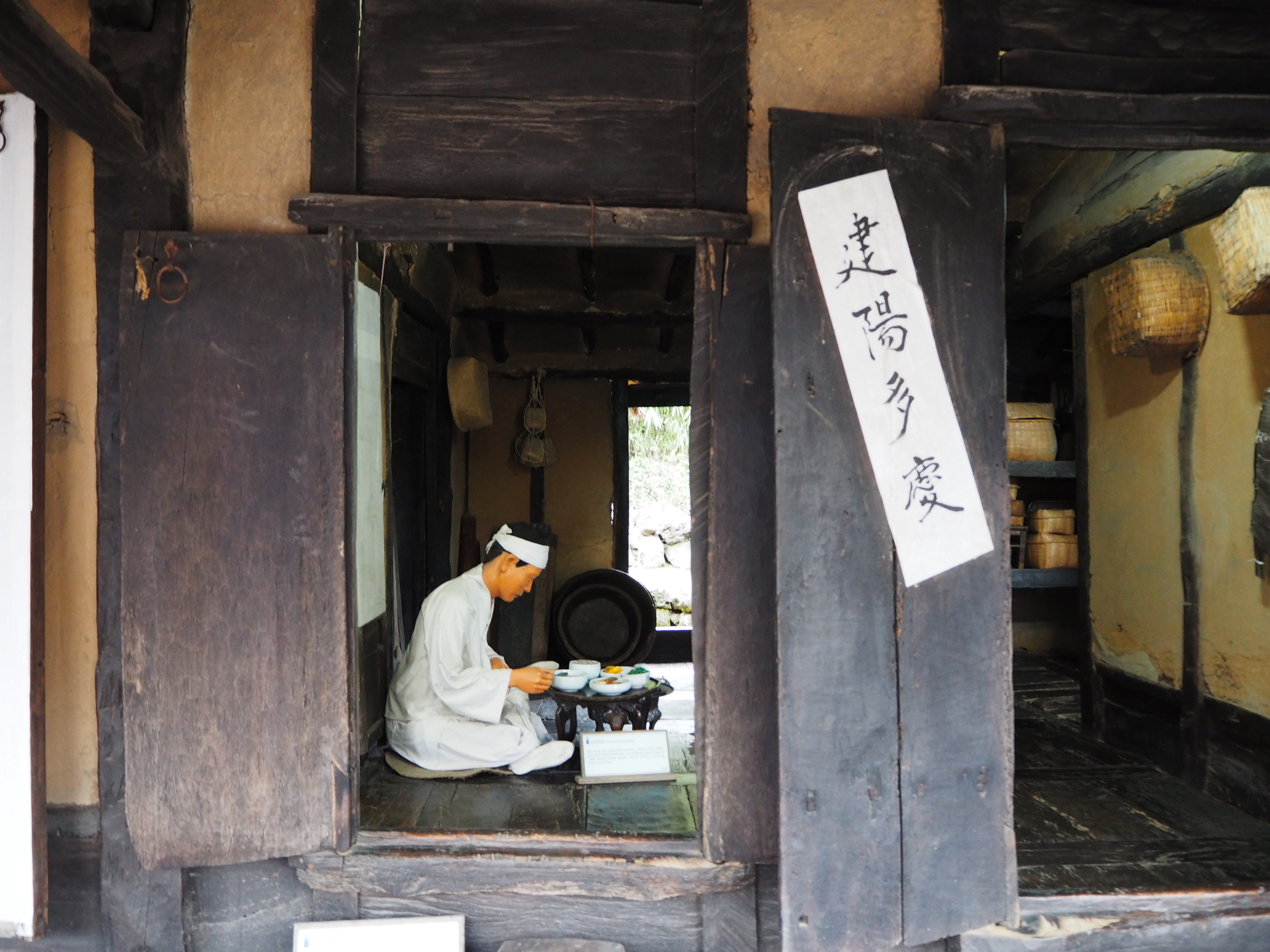

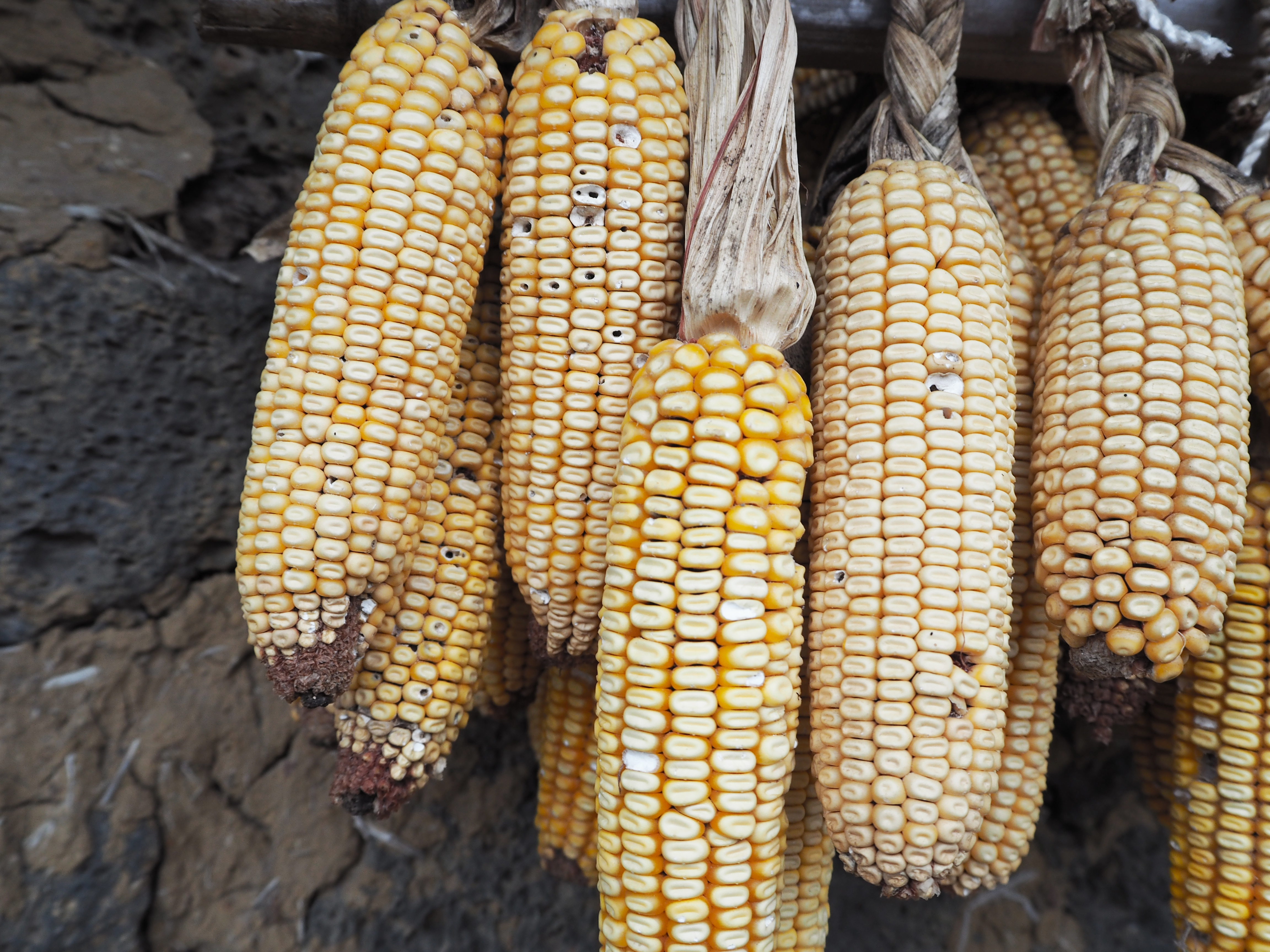
There is also a Dae Jang Geum Mini Theme Park located inside. As the name suggests, it is an outdoor set that MBC used to film the hit drama, Dae Jang Geum!
Unfortunately as we were tight on time, we didn’t spend a lot of time there and I didn’t take many photos.
From what I understand, there were quite a number of photo ops available. So remember to allocate some time for snapping photos!
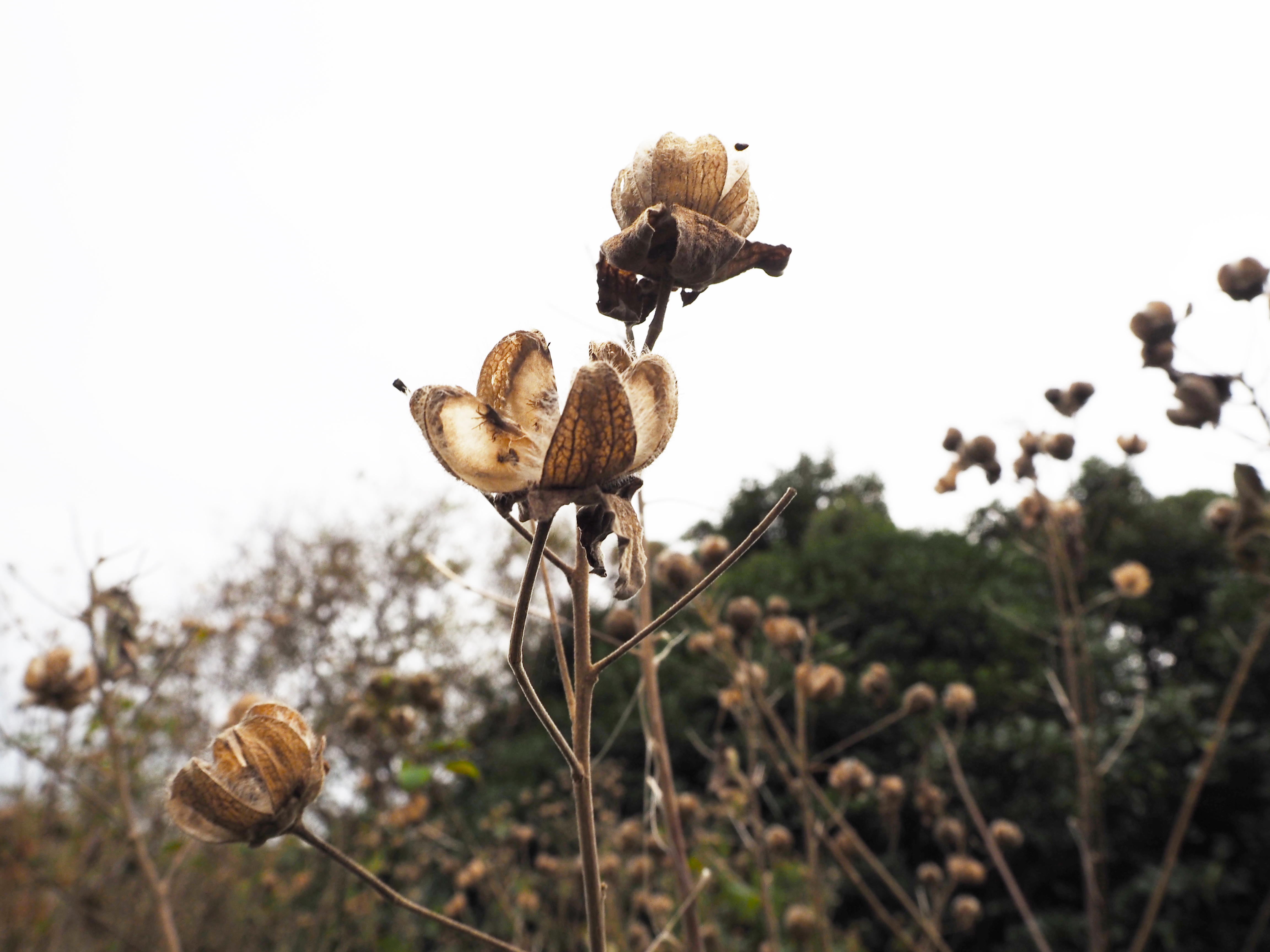
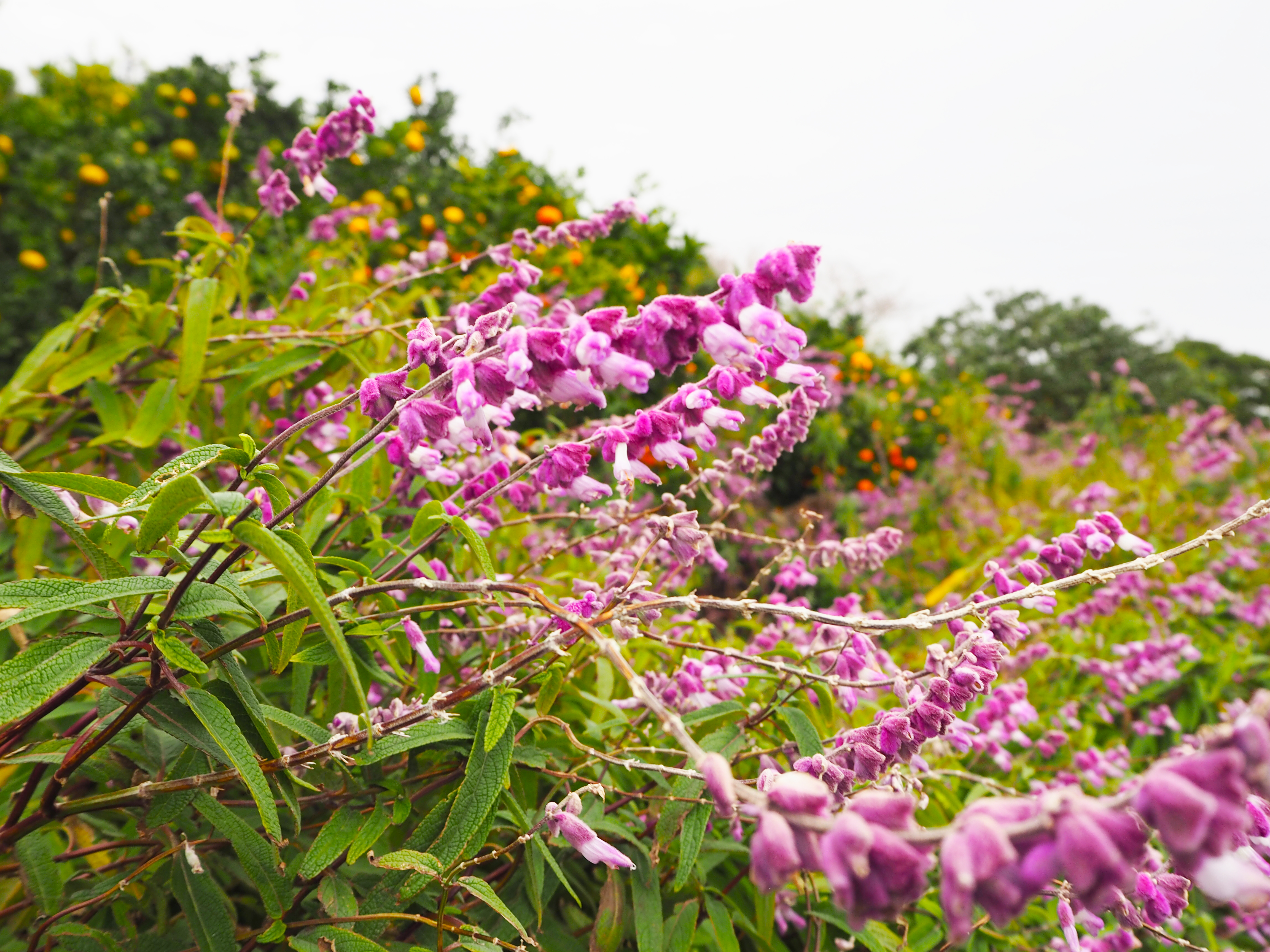
Other than having a glimpse at the ancient way of life in Jeju, do take the time to appreciate the nature you find around the area. The Jeju Folk Village is specially filled with local trees and flowers!
Most people go to Jeju during the warmer seasons, but it is just as beautiful in winter.
Is Jeju Folk Village worth visiting?
I came here as part of my tour itinerary, but I do think that paying 18 000 won is a little expensive.
It’s definitely a good experience, just that hanok villages in Jeonju and Seoul are free for anyone to walk around.
But of course, this is slightly different. No one actually stays here, so it really is more of a museum than an existing village. It also requires money on the part of the Jeju Tourism Organisation to keep this going.
If you asked me whether I would pay to enter this, I would still say yes. Every city’s village is different and unique in its own way, and I wouldn’t think that looking at Bukchon Hanok Village in Seoul would be enough for me.
I recommend allocating 2 to 3 hours here: 2 if you are just casually taking a look and stroll around the place, and 3 if you enjoy taking lots of photographs, because there’s no lack of interesting artefacts and colourful nature to snap!
OPENING HOURS
October – February: 08:30 – 17:00
March: 08:30 – 17:30
April – July: 15th 08:30 – 18:00
July 16th – August: 08:30 – 18:30
September: 08:30 – 18:00
DIRECTIONS
Address: 631-34, Minsokhaean-ro, Pyoseon-myeon, Seogwipo-si, Jeju-do
Related Posts:
- Seopjikoji Coastal Walk: scenic path in Jeju with ocean breeze
- Osulloc Tea Museum: roastery & cafe for tea lovers in Jeju
- Jeongbang Waterfall & Seobok Exhibition Hall
PIN THIS!



Leave a Reply